

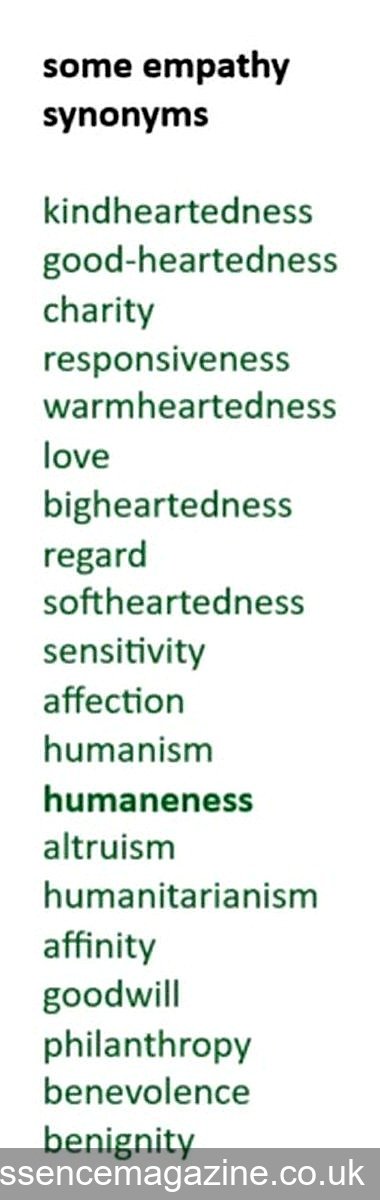
What Is an Empathetic Synonym?
When you search for an empathetic synonym, you’re looking for a word that carries the same caring, understanding tone as “empathetic.” In everyday language, synonyms help avoid repetition and fine‑tune nuance. By swapping “empathetic” with a close alternative, writers can convey subtle shades of compassion, sympathy, or emotional insight.
Dictionary sources like Merriam‑Webster list dozens of options, ranging from “compassionate” to “sensitive.” Each term shares the core idea of feeling with another, yet they differ in formality, intensity, and context. Understanding these differences is the first step toward mastering the art of empathetic synonym selection.
Because the English language is rich with overlapping meanings, the right synonym can transform a bland sentence into a vivid, reader‑friendly statement. Whether you’re drafting a novel, a business email, or a blog post, the right word choice matters for tone, credibility, and engagement.
Why Synonyms Matter in Writing
Using a variety of empathetic synonym options prevents monotony and keeps readers attentive. Repeating the same word can signal a lack of vocabulary, which may undermine the writer’s authority. Diverse word choices demonstrate linguistic confidence and respect for the audience’s intelligence.
Search engines also reward content that naturally incorporates related terms. When you sprinkle synonyms throughout an article, you signal relevance to both users and algorithms. This SEO benefit is especially valuable for niche topics where competition is fierce.
Beyond SEO, synonyms enable precise emotional targeting. A “compassionate” tone feels warm and nurturing, while “sympathetic” may suggest a more distant, observational stance. Choosing the correct synonym aligns your message with the intended emotional impact.
Top Common Empathetic Synonyms
Basic Alternatives
For most everyday writing, the safest empathetic synonym choices are “caring,” “kind,” and “considerate.” These words are widely understood and carry a gentle, universally positive connotation. Use them when you need clear, uncomplicated empathy without risking misinterpretation.
Another reliable option is “understanding.” It emphasizes mental grasp of another’s feelings rather than emotional warmth. This nuance works well in professional settings where you want to show you comprehend a client’s concerns without overt sentimentality.
“Sensitive” is also popular, especially when describing someone attuned to subtle emotional cues. It suggests a heightened awareness that can be both a strength and a vulnerability, making it ideal for character development in fiction.
Nuanced Alternatives
If you need a more refined shade, consider “compassionate.” This word implies an active desire to alleviate another’s suffering, adding a proactive dimension to the empathy you describe. It works beautifully in humanitarian or healthcare contexts where action follows feeling.
“Sympathetic” offers a slightly detached perspective, indicating that you feel sorrow for someone’s plight but may not share the same emotional depth. Use it when you want to acknowledge pain without fully immersing yourself in it.
“Warm‑hearted” conveys a wholesome, almost nostalgic kindness. It’s perfect for storytelling that aims to evoke a sense of timeless generosity or for brand messaging that wants to appear genuinely caring.
Formal Alternatives
In academic or legal writing, “empathetic” can be swapped with “affective” or “empathic” (the latter being a spelling variant). While “affective” leans toward psychological terminology, “empathic” retains the original meaning with a slightly more scholarly tone.
“Altruistic” stretches the meaning toward selfless concern for others’ well‑being, useful when discussing motivations behind charitable actions. It adds a moral dimension that basic synonyms lack.
For policy papers, “human‑centered” or “person‑focused” can serve as strategic synonyms, highlighting design thinking that prioritizes user emotions without using the word “empathetic” directly.
Contextual Usage: Choosing the Right Empathetic Synonym
Start by identifying the emotional intensity you need. A simple “caring” may suffice for casual conversation, while “compassionate” adds depth for therapeutic or social‑service narratives. Matching intensity to context prevents over‑ or under‑statement.
Next, consider the audience’s expectations. Business professionals often prefer “understanding” or “considerate,” whereas creative writers might lean toward “warm‑hearted” or “sensitive.” Aligning language with reader expectations builds trust and rapport.
Finally, evaluate the surrounding sentence structure. Some synonyms fit better with certain verbs—“demonstrates compassion,” “exhibits sensitivity,” “shows understanding.” Pairing the right verb with the appropriate synonym creates a smoother, more compelling flow.
Regional and Dialectal Variations
English speakers across the globe favor different empathetic synonyms. In British English, “considerate” and “sympathetic” appear more frequently, while American writers often choose “caring” and “compassionate.” Awareness of these preferences can enhance the relevance of your content for specific markets.
Australian and New Zealand audiences tend to use “kind‑hearted” and “thoughtful,” reflecting a colloquial warmth. If your target demographic includes these regions, sprinkling such local flavor can increase engagement and perceived authenticity.
Even within the United States, regional dialects affect word choice. Southern writers may favor “warm‑hearted,” whereas West Coast professionals might opt for “empathetic” itself, viewing it as a modern, inclusive term. Tailor your synonym selection to the cultural nuance of your readers.
How to Expand Your Vocabulary with Empathetic Synonym Tools
Online thesauruses like Merriam‑Webster, Thesaurus.com, and PowerThesaurus list hundreds of alternatives for “empathetic.” These platforms provide usage examples, related words, and even antonyms, giving you a comprehensive view of each synonym’s connotation.
Many writers combine these resources with corpus analysis tools such as Google Ngram Viewer to see how often a synonym appears in published works over time. This data helps you choose words that are both current and appropriate for your genre.
For a deeper dive, explore collocation dictionaries that show which adjectives commonly pair with each synonym. For instance, “deeply compassionate” or “genuinely considerate” can add emphasis without sounding forced.
When you’re ready to apply your new vocabulary, try integrating an your natural anchor text into a relevant paragraph. This practice reinforces learning while keeping your content SEO‑friendly.
Practical Exercises and Tips for Mastery
Start a synonym journal. Write “empathetic” at the top of a page, then list ten alternatives you discover each week. Review the list monthly and note which words felt most natural in your recent writing projects.
Play substitution drills. Take a paragraph you’ve already written and replace every instance of “empathetic” with a different synonym, ensuring the meaning stays intact. This exercise sharpens your instinct for nuance and prevents over‑reliance on a single term.
Read widely across genres—novels, journalism, academic papers—and highlight every empathetic synonym you encounter. Analyzing how authors use these words in context builds an internal library of effective usage patterns.
Finally, test your choices with peers or editors. Ask them whether a particular synonym conveys the intended tone. Constructive feedback helps you fine‑tune your lexical decisions and avoid accidental miscommunication.
Conclusion: Harnessing the Power of the Empathetic Synonym
Mastering the empathetic synonym landscape empowers you to write with precision, empathy, and stylistic flair. By understanding basic, nuanced, and formal alternatives, you can tailor your language to any audience, purpose, or cultural context.
Remember that synonyms are not interchangeable placeholders; each carries its own weight, history, and emotional resonance. Use the tools, exercises, and regional insights discussed here to select the perfect word every time.
With a richer vocabulary at your fingertips, your writing will not only rank higher in search results but also connect more deeply with readers, fostering the very empathy you aim to convey.
